













































































![]() |
In Stock Samples Specials
English | Español
| |||
|
||||
| RESIDENTIAL | COMMERCIAL | |||
Installing Mini Tiles - How to Install Small Tile
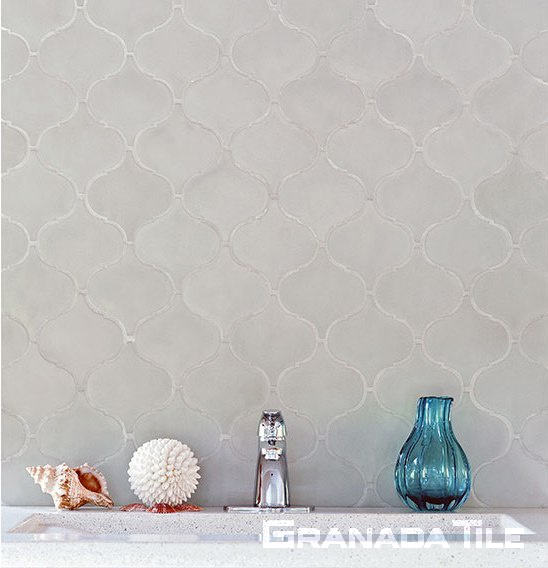
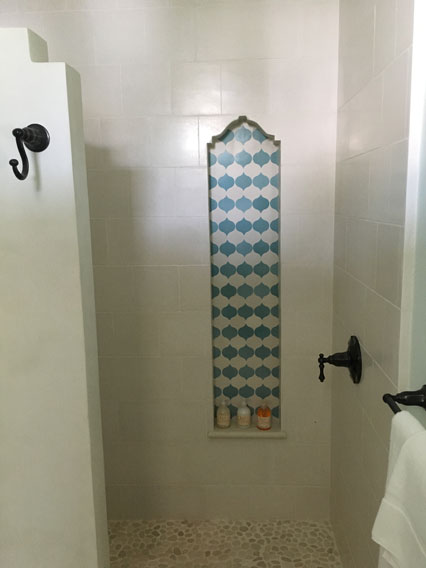
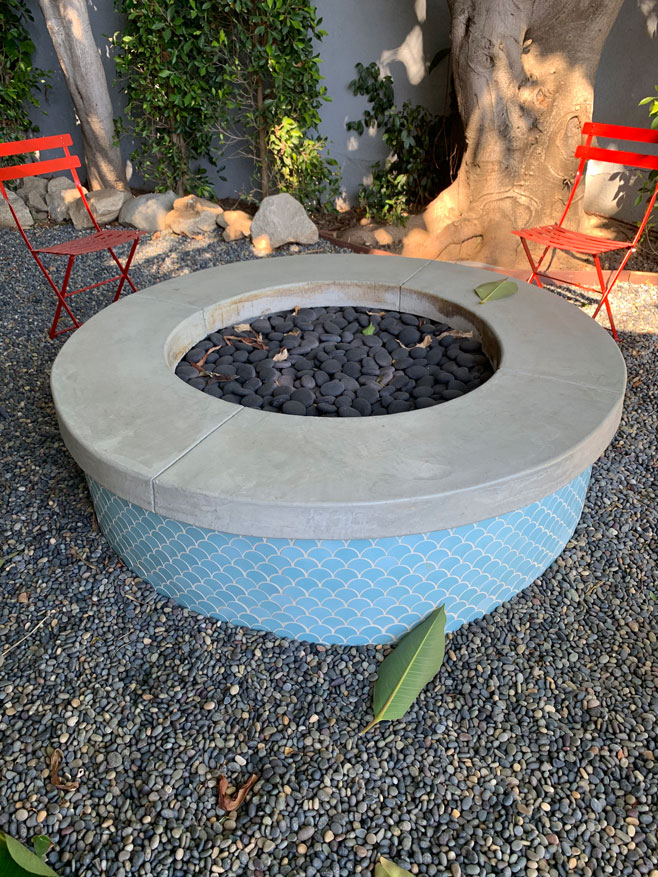
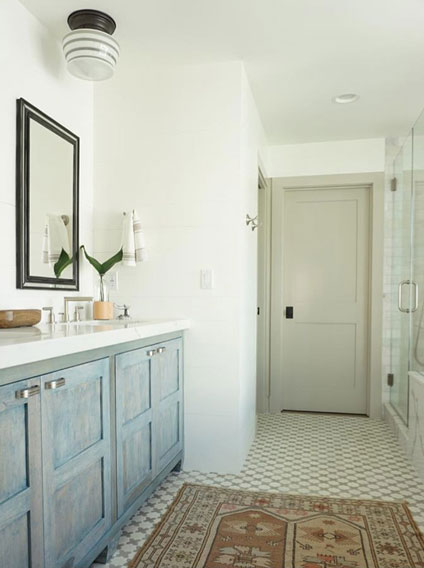
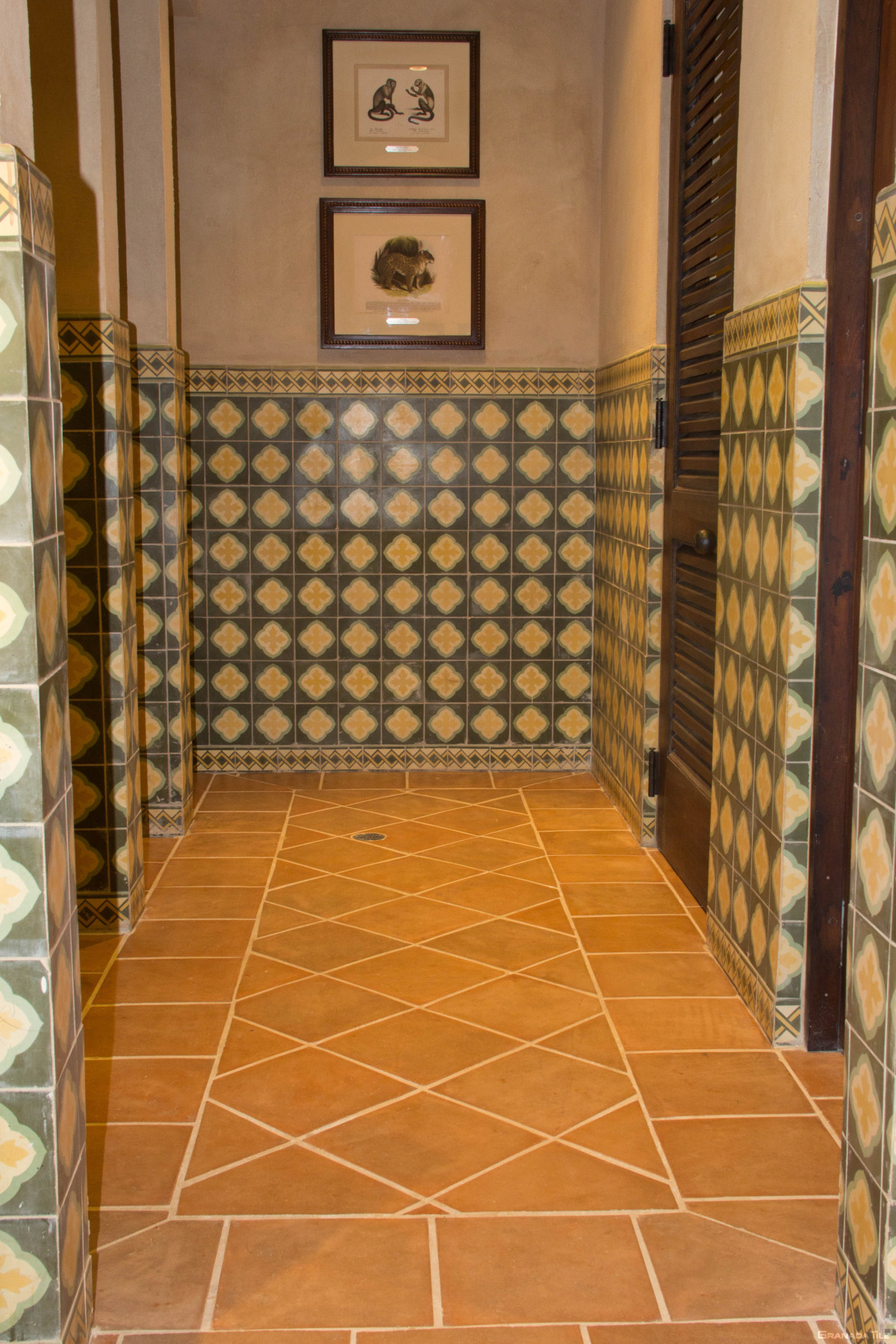
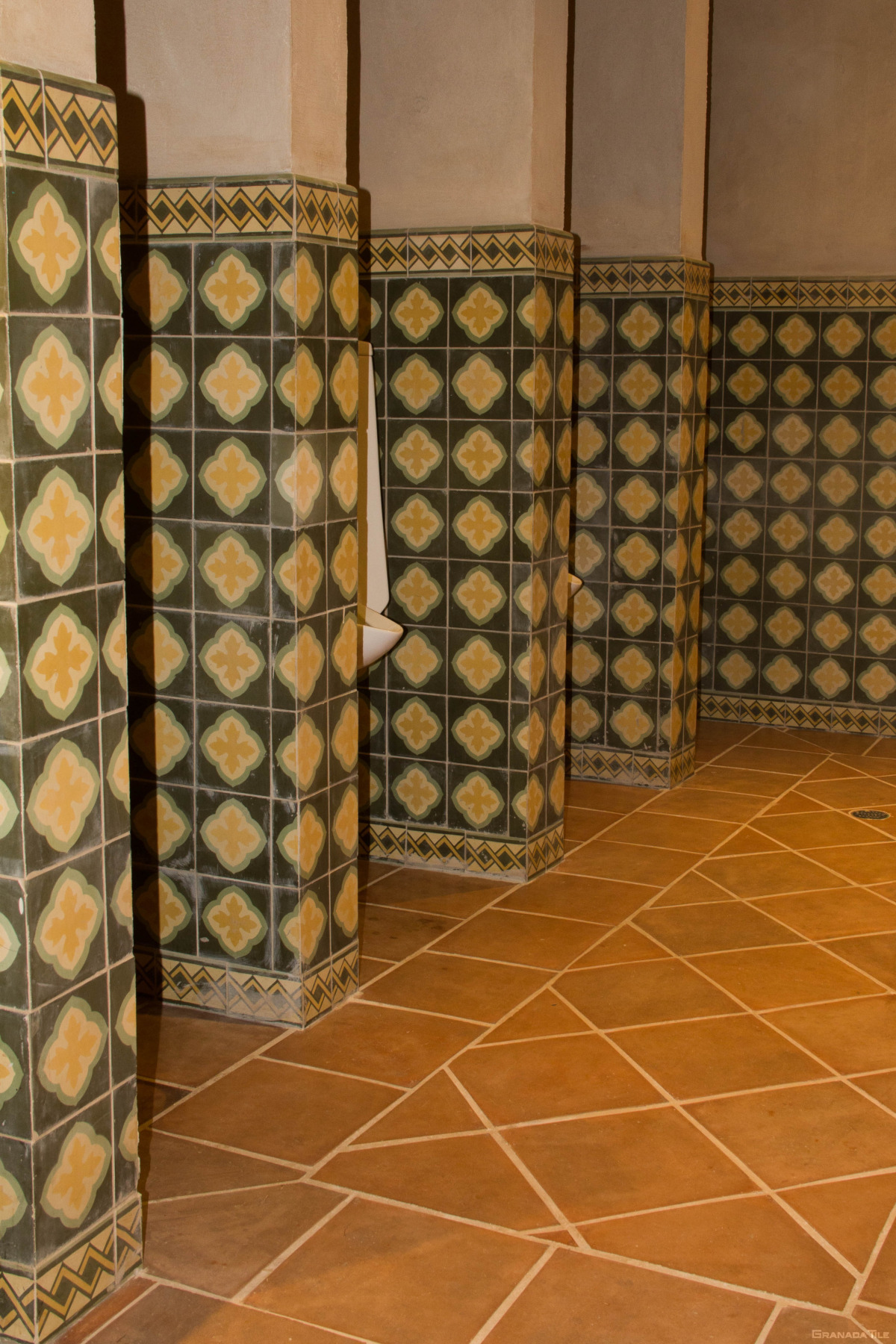
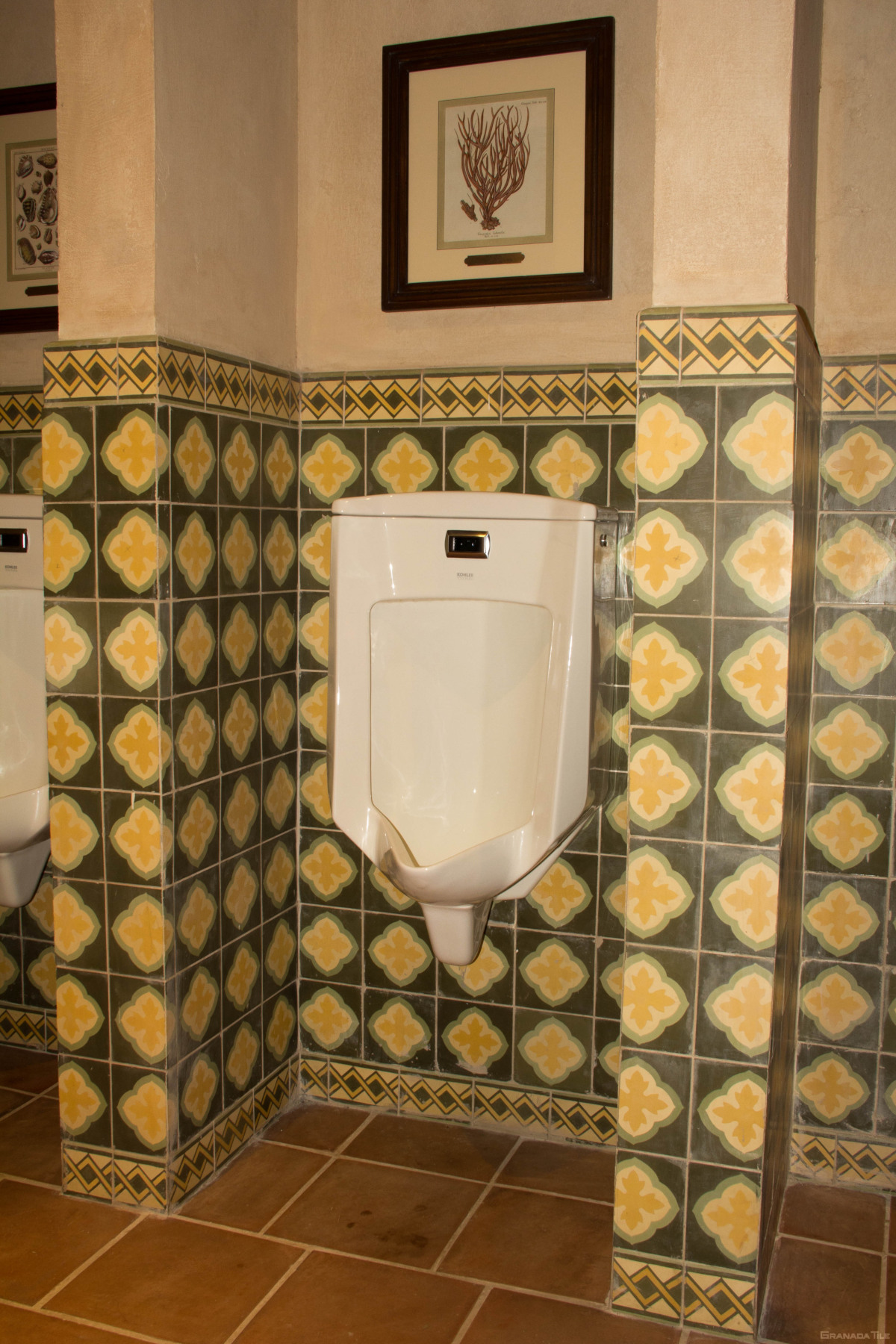
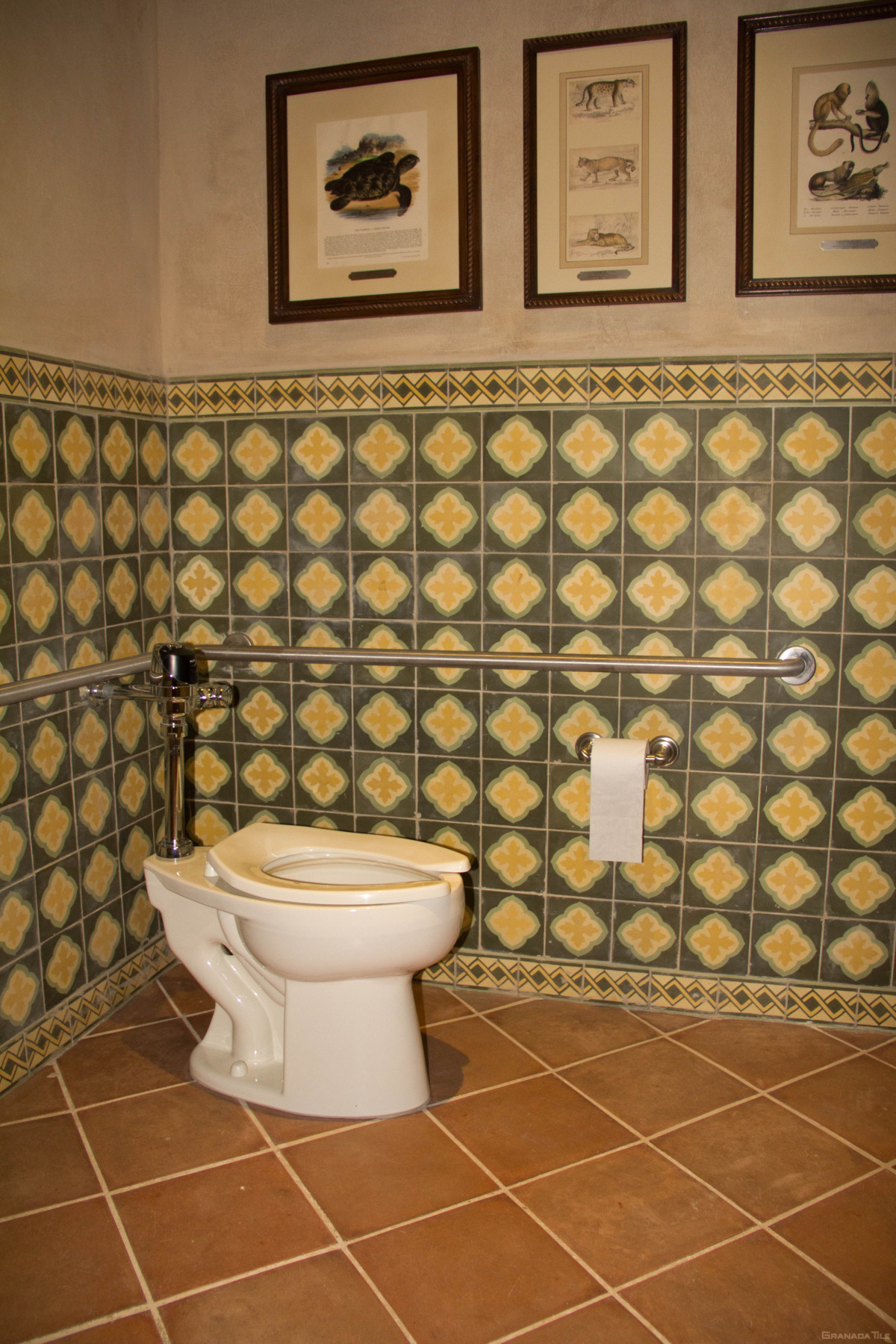
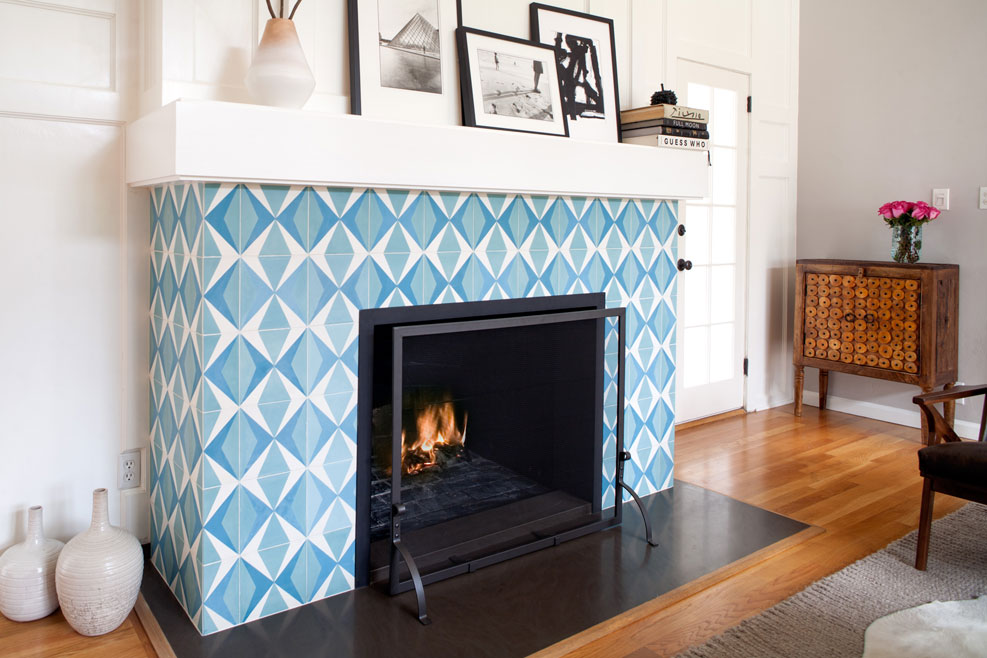
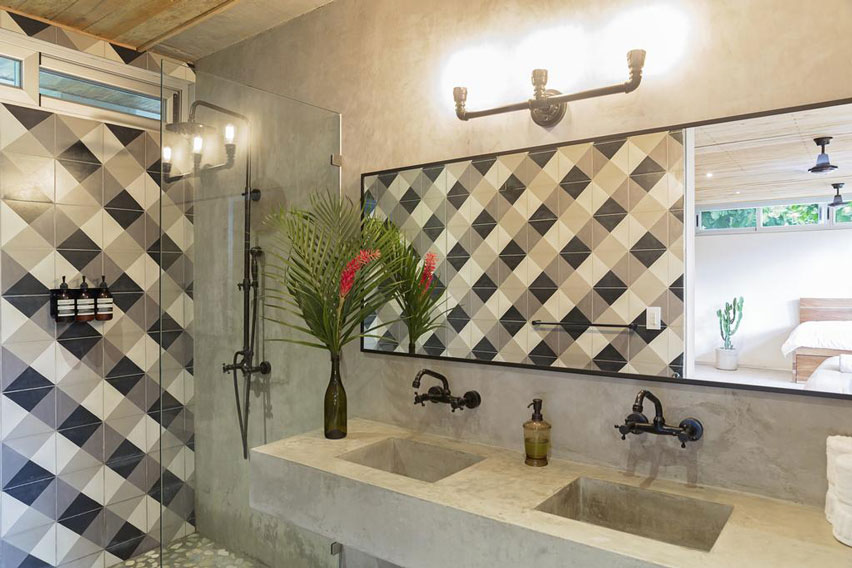
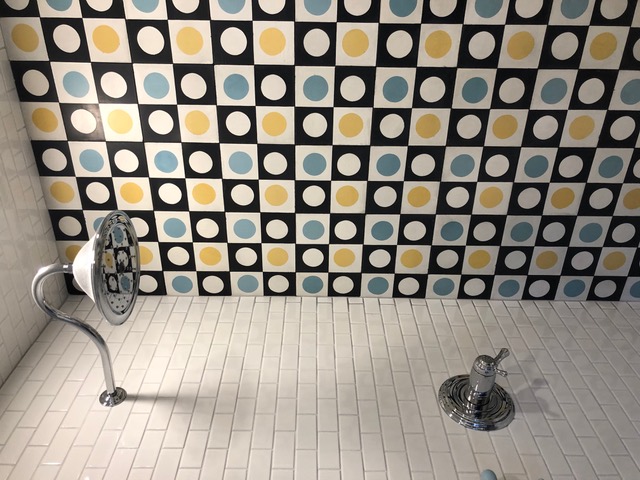
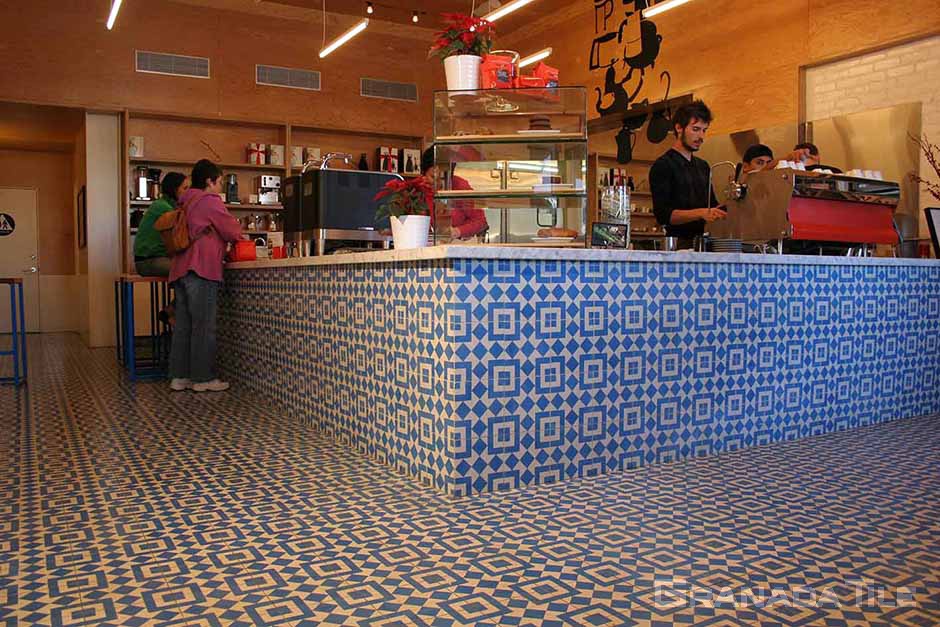
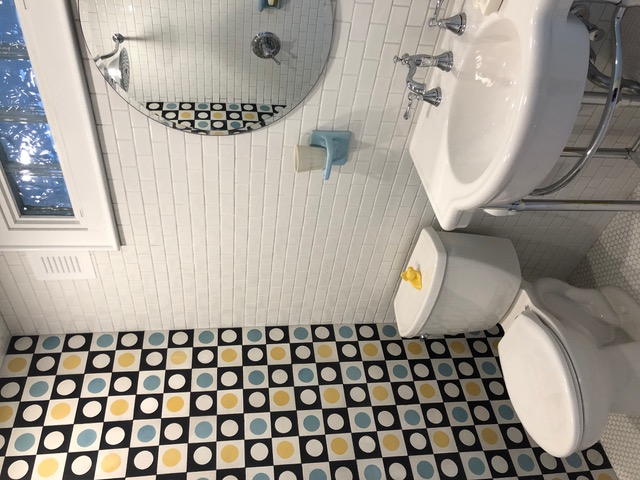
Granada Tile's Mini Collection of small tiles are made with cement/concrete, sand, color pigments and stone aggregate. Because of the nature of the cement, sand, and pigments, these tiles are subject to color and tonal variation (which is part of their natural charm). When installing, we recommend blending tile sheets from several boxes.
Granada Tile provides these general guidelines as suggestions to installers. Since applications and job site conditions vary, the installer is ultimately responsible for ensuring proper installation and sealing of the tiles.
For more detailed information and instructions about installing your tile, we highly recommend consulting the Cement Tile Manufacturers' Association's excellent and free Handbook (concretetile.hypermart.net/docs/Handbook_en.pdf). The Tile Council of North America also produces a very detailed publication entitled the TCNA Handbook for Ceramic, Glass, and Stone Tile Installation that is for sale at www.tileusa.com/publication_main.htm.
I. INSTALLATION EQUIPMENT and MATERIALS:
Thinset Mortar (For light colored tiles, use white color thin-set and for darker colored tiles, use gray color thin set material.)
Do not use ceramic tile adhesive.
Trowel with 1/2" with semicircular notches

Sponge
Bucket
Wet Tile Saw with Diamond Blade
Sanded Grout
Grout Float or Grout Bag
Penetrating Sealer for Cement / Concrete
Clean mop
II. FLOOR AND WALL PREPARATION:
A. Prepare a perfectly level, clean, dry, slightly rough surface in concrete 5/8" below the desired finished floor height (1/2" for the tiles and 1/8" for mortar).
B. Let the concrete slab surface dry completely before installing the cement tiles, otherwise the moisture in the concrete will evaporate through the tiles, resulting in powdery white limestone deposits (efflorescence).
Do not lay cement tiles directly onto fresh (uncured) concrete.
IMPORTANT: Some slabs may continue to release moisture on the surface even after fully cured. Test your slab by taping a small piece of plastic (polyethylene film) to the area to be tiled. Make sure all edges are thoroughly taped down. If moisture accumulates on the underside of the plastic, you should apply a waterproofing membrane before proceeding with the installation.
C. To prevent cracking or fracturing from the movement of the substrate and ultimately the earth itself, be sure to include expansion, construction, isolation, contraction, generic and perimeter joints where appropriate. Consult your architect or engineer.
D. Wall tile can be installed over drywall, plaster, cement block, cement backer board (for moist areas). The surface should be flat, smooth, and dry and any loose paint or cracked surface should be scraped off and patched. Be sure to use thinset behind the backer board, not to adhere the backer board but rather to fill voids beneath the backer board.
III. TILE SETTING:
E. Decide on the layout of the tiles and put them in position to ensure the result before installing them. Finally, lay down the outside tiles and cut them to fit using a wet saw with a diamond blade.
F. Using a sponge, wet the back of the tile completely to enable the thin set to adhere to the tile. For more complete instructions, follow the thinset manufacturer's guidelines for laying tile.
G. Evenly apply the adhesive mixture to the floor subsurface, using a trowel with 1/2" semicircular notches. Then, cover the entire back of the tile with thin set material.
Always brush the adhesive in the same direction, otherwise air will be trapped and the tiles may lift up.
H. Lay the sheets of tile, and press them into place with the palm of your hand, ensuring that they are perfectly level with each other.
Be sure that that the tiles are perfectly level throughout the installation. If any of the tiles are not level, remove them and backfill with a small amount of mortar to make them level.
I. Move the tile back and forth so that the new tile is leveled with the first tile you installed. Bring the sheets of tiletogether to a grout joint of1/16" and continue laying them until all tiles are set in place.
J. If the tiles are held together by mesh or paper on the back, immediately clean thinset or mortar off the face of the tiles. The longer you leave it, the harder it will be to clean it off. If the tiles have a clear tape on the front, remove the tape after setting the tiles. This will enable the mortar to dry.
K. Let the thinset mortar dry completely, usually 1 - 2 days, before grouting.
L. Clean the face of the tile and dry it completely.
IV. GROUTING:
M. Completely fill the gaps between the tiles with grout, using a rubber float or a grout bag delete this part is only with the rubber float.
N. Immediately remove any excess grout with a clean damp cloth or sponge.
Do not let any excess grout dry on the surface as it may be difficult to remove and may stain the tiles.
O. Mist the grout with water two to three times per day as it cures to slow the hydration process and minimize grout cracking or shrinking.
V. CLEANING CEMENT TILES WITH A MOP OR CLOTH:
P. After the grout is dry (usually after 48 hours), clean with a clean mop or cloth.
Q. Drain any remaining water on the tiles and finish drying with a dry, clean cloth or mop.
VI. SEALING:
R. Cement tile surfaces must be cleaned, free of grease, oil, dirt, wax or any other foreign matter including grout release material.
S. Apply a high quality penetrating sealer for cement and concrete tiles and carefully follow the sealer manufacturer's instructions. Do not place anything on the tile until the sealer is completely dried per manufacturer's instructions.
GENERAL NOTE ABOUT SEALERS: Like natural stones, cement tiles are porous in nature and therefore need to be sealed to avoid staining. Penetrating sealers coat the cement particles in the tile making it less likely they will retain stains. Topical sealers create a barrier on the surface of the tile so that stains do not reach the cement. Topical sealers have different finishes: shiny and matte. According to Desert Brand, matte topical sealers are produced by adding a chemical that cuts the shine, but also weakens the sealer. Topical sealers are not generally recommended for exterior applications as the sun may deteriorate them quickly.